Arizona Natural Health Products

Raw Materials

The Chaparral Herb - Benefits & Uses

From Arizona Natural Products, Over 20 years of quality

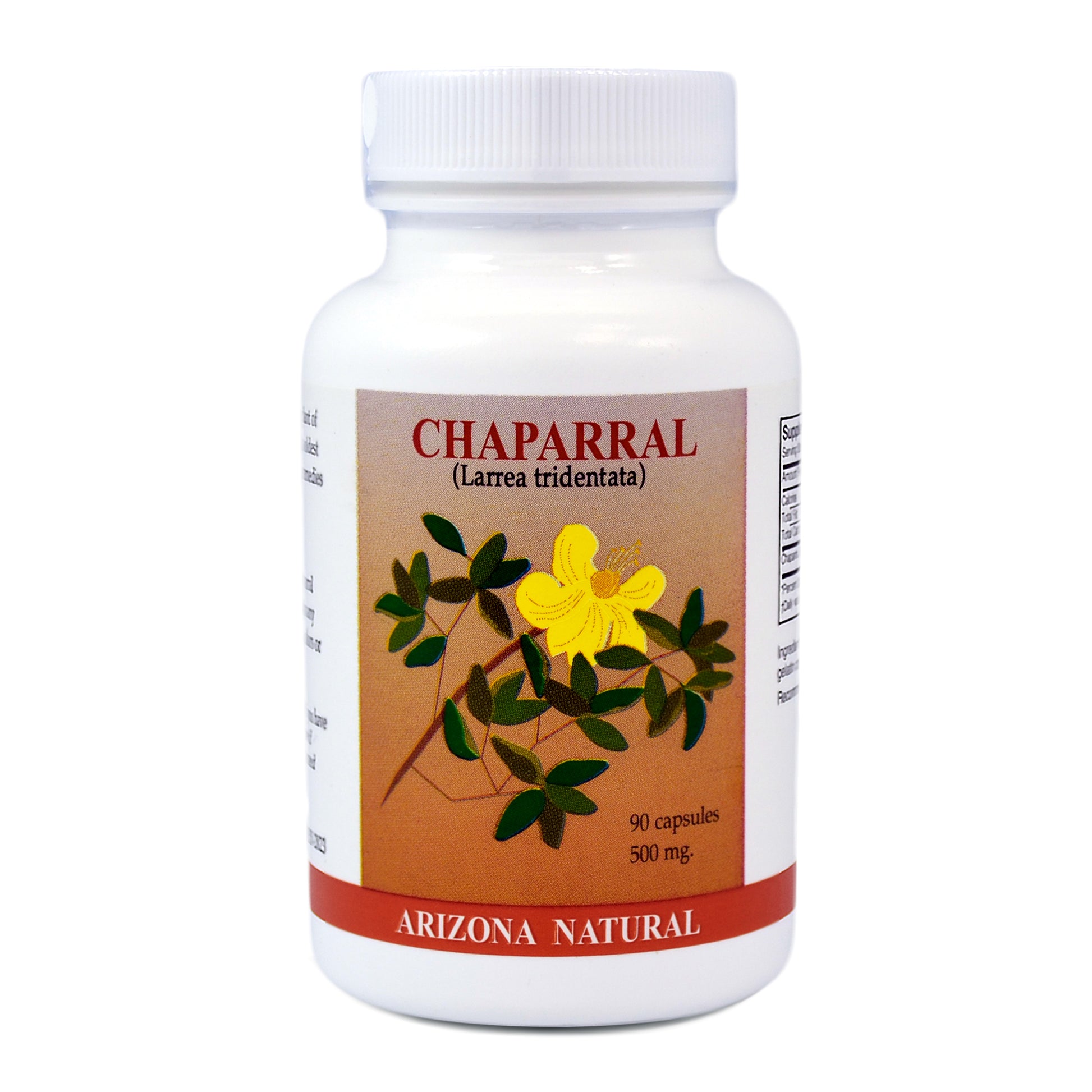
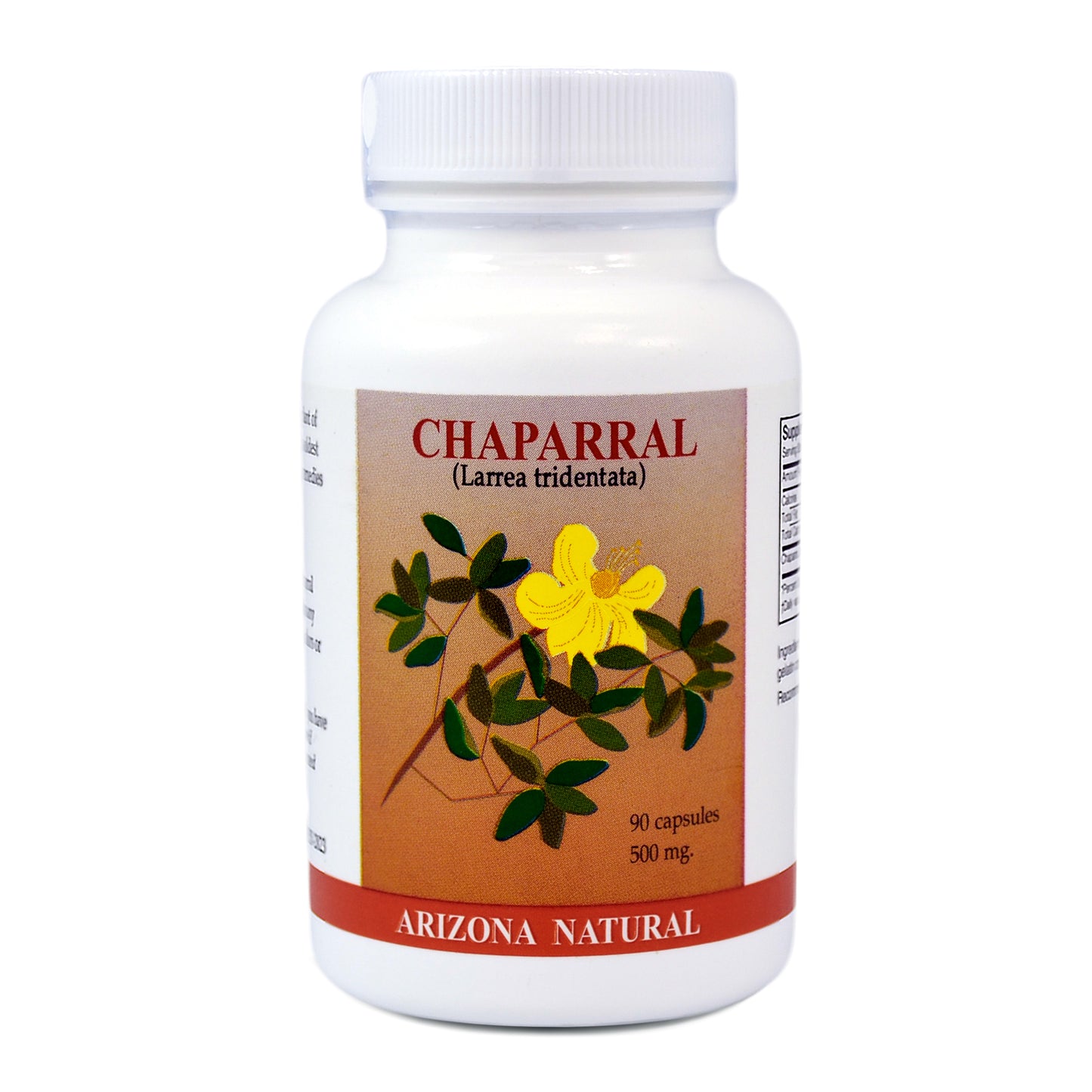
We stand in awe of the centuried Redwoods of the Pacific coast and the twisted, giant Saguaros of the high desert, but compared to the Chaparral bush they are mere infants. Botanically known as Larrea tridentata, the common chaparral plant can live up to 12,000 years! The fact this waxy-leaved bush can thrive in the harsh Arizona desert and dominate its neighbors without being eaten or infected is testimonial to the potency of its chemical arsenal. The Native Americans of the Southwest long ago discovered this medical resource and used chaparral to treat everything from respiratory infections to arthritis

Continue reading to learn everything you would ever want to know about Chaparral and NDGA.


Scientific Name: Larrea Tridentata

Origin: Southwestern United States

Part Used: Leaves

Herbal Properties: Antibiotic, antiseptic, anti-parasitic.

Chaparral Herb

Contents

What is Chaparral?

Chaparral is a shrub that is indigenous to the southwestern United States and parts of Mexico. It is used to treat such conditions as cancer, arthritis, diarrhea, tuberculosis, colds, bronchitis, venereal disease and bowel cramps. One of the main active components of chaparral is nordihydroguaiaretic acid, or NDGA, which has antioxidant properties and has also been proposed to fight cancer. Chaparral contains lignans that give it healing and anti-aging properties as well. When applied to the skin, chaparral can have a positive effect on eczema, herpes, cold sores, psoriasis and contact dermatitis.

Chaparral's extremely bitter taste prevents animals from grazing upon it and it does not burn easily. It is regarded as one of the most adaptable of all the United States desert plants as it grows in depleted soil and can survive for long periods of time without rainfall. It was one of the first plants to grow back after the 1962 nuclear bomb test at Yucca Flats.

What is NDGA?

Chaparral contains an ingredient called nor-dihihydroguairetic (NDGA), a potent antitumor agent. NDGA inhibits aerobic and anaerobic glycolysis (the energy-producing ability) of cancer cells. The flavonoids present in chaparral have strong antiviral and antifungal properties.
- Herbal Medicine, Healing and Cancer: A Comprehensive Program for Prevention and Treatment by Donald R. Yance, j r.,C.N., M.H., A.H.G., with Arlene Valentine

NDGA is a powerful antioxidant that is widely used in the food industry as a preservative for lard and animal shortenings. Early studies had raised hopes that NDGA might prove to be an effective treatment for some forms of cancer when it was revealed that NDGA was able to inhibit the growth of some cancer cells in animal. In the Merck Manual, a highly regarded medical book, this chemical is listed as an anti-oxidant, and its therapeutic category is an anti-neoplastic. Broadly, an anti-neoplastic is defined as an agent that prevents the development, growth and proliferation of malignant cells.

Benefits of Chaparral

The Native Americans used chaparral to cure a variety of ailments from arthritis to the common cold. It is said to have analgesic, expectorant, as well as strong anti-inflammatory properties. Chaparral also has a high antioxidant content, which can protect against cell damage, which leads to cancer. It is also used for many skin disorders because of these same properties.

Chaparral VS Cancer

Chaparral [Larrea tridentata), also known as creosote bush, has been used by Native Americans to treat a variety of illnesses, including cancer. Chaparral contains an ingredient called nor-dihihydroguairetic (NDGA), a potent antitumor agent. NDGA inhibits aerobic and anaerobic glycolysis (the energy-producing ability) of cancer cells. The flavonoids present in chaparral have strong antiviral and antifungal properties. - "Herbal Medicine, Healing and Cancer: A Comprehensive Program for Prevention and Treatment" by Donald R. Yance, j r.,C.N., M.H., A.H.G., with Arlene Valentine.

Chaparral contains a potent antioxidant constituent that probably accounts for its observed anticancer action. Chaparral has been the subject of a few studies that have resulted in both tumor regression and tumor stimulation. Chaparral has also been used as an antihistamine and as an anti-inflammatory. - "Complementary Cancer Therapies: Combining Traditional and Alternative Approaches for the Best Possible Outcome" by Dan Labriola

California yew and chaparral teas are also great cancer fighters. Trifolium (red clover) and scrophularia herb formulas are shown to work in fighting cancer. Carctol, a mixture of eight herbs, is known in Great Britain and India as a completely safe herbal supplement and has up to a 40% success rate with terminal cancer patients. There is a variety of some 2.5 million herbs categorized as cytotoxic (toxic to cancer cells). These herbs date back some 5,000 years. At least 3,000 of these herbs have anti-cancer properties of some kind. - "Defeat Cancer" by Gregory, A. Gore

Evidence shows that some people with certain types of cancer in certain stages of development may benefit from Chaparral, but it is not clear who may benefit, which cancers are most susceptible or at which stage of cancer development the herb is most effective. One study in rats found that NDGA (nordihydroguaiaretic acid), the purported active principle in Chaparral, produced almost complete inhibition of aerobic and anaerobic glycolysis and respiration in some kinds of cancer cells while normal cells were not affected. - "The Scientific Validation of Herbal Medicine: How to Remedy and Prevent Disease with Herbs, Vitamins, Minerals and Other Nutrients" by Daniel B. Mowrey, Ph.D.

With this in mind, it seems like a good idea to take one chaparral capsule after consuming a Big Mac and french fries in order to offset some of the damage all of those free radicals you've ingested are capable of doing. And while chaparral may not hold quite the same promises expected of ginseng for longevity, it can certainly help to slow down the aging process quite a bit from the foods we eat on a daily basis. The medical doctor most involved with the limited success that chaparral has achieved with some kinds of cancer, is Charles R. Smart, M.D. - "Heinerman's Encyclopedia of Fruits, Vegetables and Herbs" by John Heinerman

The chaparral (Larrea tridentata) that grows over hundreds of square miles in Arizona and California contains a powerful antioxidant called NDGA (nordihydroguaiaretic acid). NDGA was used to prevent oxidation from spoiling foods during World War II. It appears to work against cancer cells by preventing them from "eating" the blood sugar they need to survive - in other words, it starves them to death. Chaparral also contains polysaccharides, which stimulate the immune system. Chaparral is generally taken as a tea. - "Sam Biser's Save Your Life Collection: A Layman's Course in Curing Last-Stage Diseases" by Sam Biser

NDGA, a compound found in chaparral, is a powerful antioxidant that helps to prevent the kind of cell damage that can lead to cancer. It also has an antitumor effect. Chaparral is used as a mouthwash to prevent cavities. Benefits of chaparral for specific health conditions include the following: Arthritis and carpal tunnel syndrome. The major traditional use of chaparral in Mexican herbalism is as a bath or liniment to relieve the inflammation and pain of arthritis, sometimes in combination with osha. - "Prescription for Herbal Healing: An Easy-to-Use A-Z Reference to Hundreds of Common Disorders and Their Herbal Remedies" by Phyllis A. Balch, CNC

In 1959, the National Cancer Institute (NCI) was informed through lay correspondence that several cancer patients claimed beneficial effects on their cancers from drinking chaparral tea. Years later, a similar treatment was brought to the attention of physicians at the University of Utah, when an 85-year-old man with a proven malignant melanoma of the right cheek with a large cervical metastasis refused surgery and treated himself with chaparral tea. Eight months later he returned with marked regression of the tumor. - "Guide to Popular Natural Products" by Ara Dermarderosian

Another herb in question is chaparral. People take it because it contains NDGA (nordihydroquaiatetic acid), a strong antioxidant and anti-cancer agent. Herb industry surveys show that more than 200 tons were sold in the United States between 1970 and 1990. And during this time, there was not a single complaint of side effects arising from the use of this herb. When two to three cups of chaparral tea or the isolated NDGA were given daily to more than 50 cancer patients, the only side effects were occasional nausea or diarrhea. Very large doses resulted in lowered blood pressure. - "Herbs for Health and Healing" by Kathi Keville

Testimonials

In 1959, the National Cancer Institute (NCI) was informed through lay correspondence that several cancer patients claimed beneficial effects on their cancers from drinking chaparral tea. Years later, a similar treatment was brought to the attention of physicians at the University of Utah, when an 85-year-old man with a proven malignant melanoma of the right cheek with a large cervical metastasis refused surgery and treated himself with chaparral tea. Eight months later he returned with marked regression of the tumor. - "Guide to Popular Natural Products" by Ara Dermarderosian

Dosages and Herbal Remedies

  • Treating a cold with chaparral
  • Treating cancer with chaparral
  • Treating a hangover with chaparral
  • Treating trichomonas with chaparral
  • Chaparral for parasitic infection
  • More Info and External Links

    "Treating Herpes Naturally with Larrea Tridentata" by W. Dennis Clark, Ph.D.

    "Larrea Tridentata and its nordihydroguaiaretic acid"  abstract: Although controversial, Creosote bush, Larrea tridentata (Sesse and Moc. ex DC) Coville, is used to treat a variety of illnesses including infertility, rheumatism, arthritis, diabetes, gallbladder and kidney stones, pain and inflammation.


    Buy Products Here! Naturalcupboard.com
    Products About Us Contact Us Feedback Product Information
    Featured Products
    All Gar
    ALL GAR is the most complete garlic supplement you can buy. Each tablet contains 5,000 mcg. allicin from cultivated garlic bulb, and 200 mg.
    more information
    Oxiguard
    The complete anti-oxidant formula designed to protect cells and DNA from the effects of free radicals.
    more information
    products    :    company history    :    contact us    :    feedback    :    top sellers
    Copyright © 1999 - 2012. All Rights Reserved